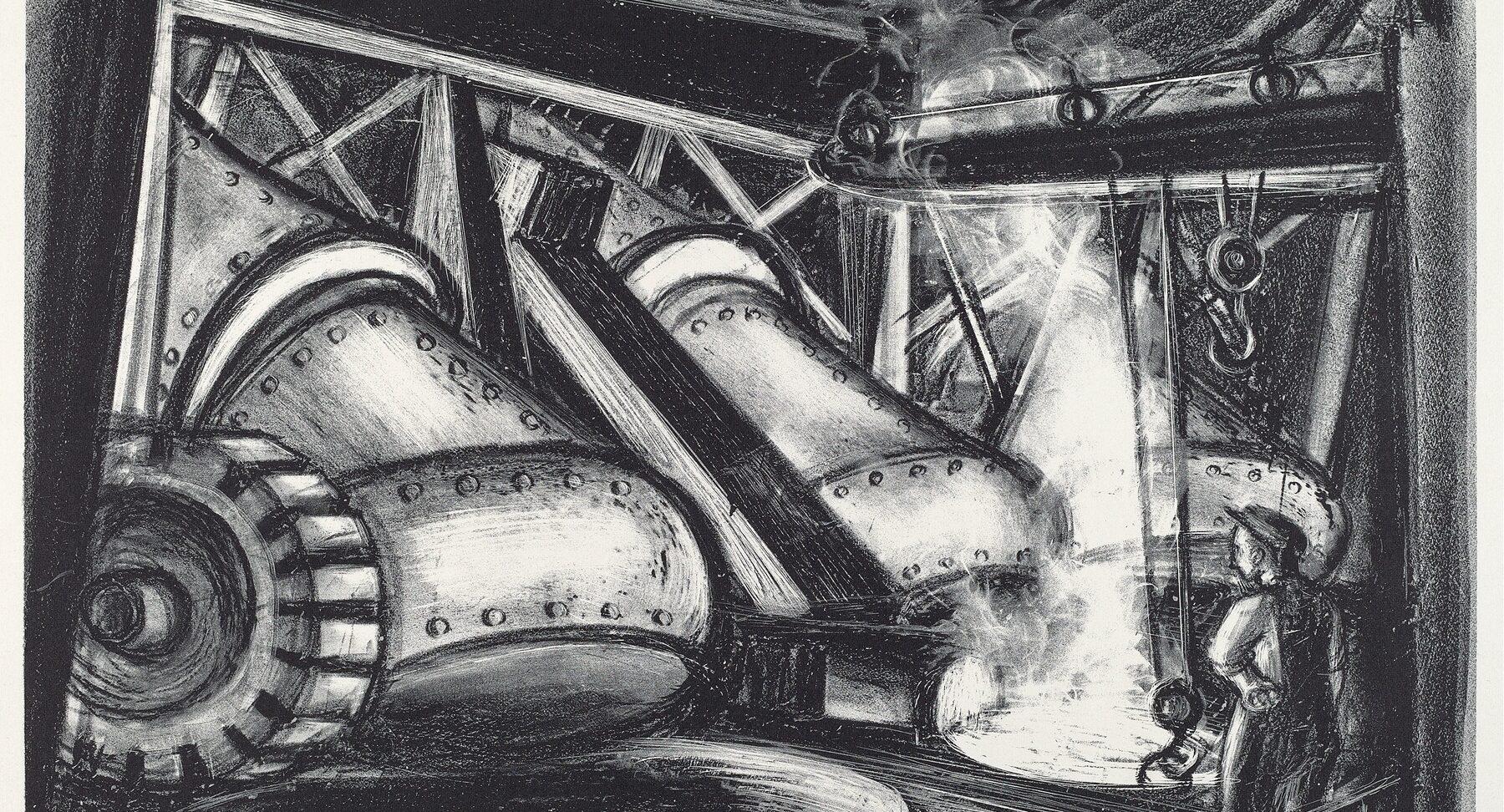
On ‘The Machine Stops’: ‘You Are Beginning to Worship the Machine’
Through adoration, acedia and atrophy, Forster perceives how the machine age exerts power over our relationships, our religion, our reality, and even our bodies.



Through adoration, acedia and atrophy, Forster perceives how the machine age exerts power over our relationships, our religion, our reality, and even our bodies.

Writers and editors of The Lutheran Witness share the books they’re excited about this summer.
The true beauty of “Peter Pan” is a mother’s love.
Shakespeare’s “Hamlet” invites audiences to contemplate what it means to truly “be.”
A literary reflection on Herman Melville’s “Moby Dick.”
Homesteading is not the secret to happiness. It’s merely the backdrop against which Ma and Pa joyfully live out their vocations.
A literary reflection by Davis Smith on Homer’s Odyssey. This is one installment of a monthly series providing reflections on works of literature from a Lutheran perspective. No finer, greater gift in the world than that … when man and woman possess their home, two minds, two hearts that work as one. –Odyssey, 6.200–202 The
Catherine and Heathcliff’s pseudo-love is an obsession absolutely turned inward, a snake eating itself which, in its appetite, finds destruction.
My Ántonia invites the reader to look closely at one life, so closely that it becomes a window for looking at one’s own life, and every human life.
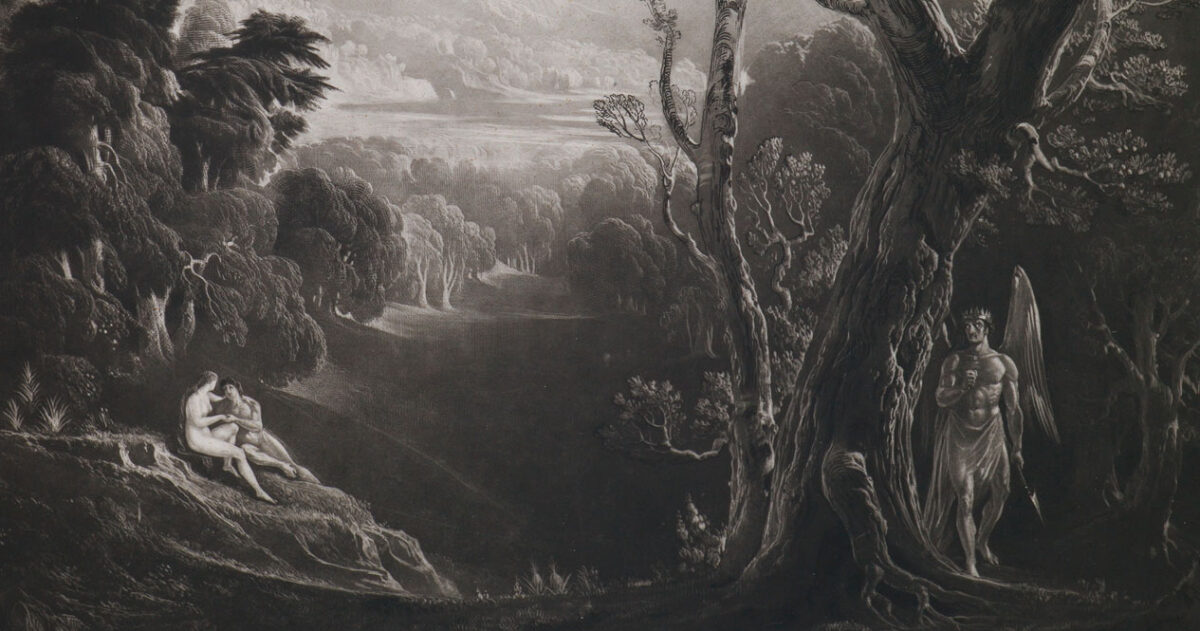
Adam and Eve may have been tempted by the fruit of the Tree of the Knowledge of Good and Evil; readers of Paradise Lost are tempted instead by the character of Satan himself.
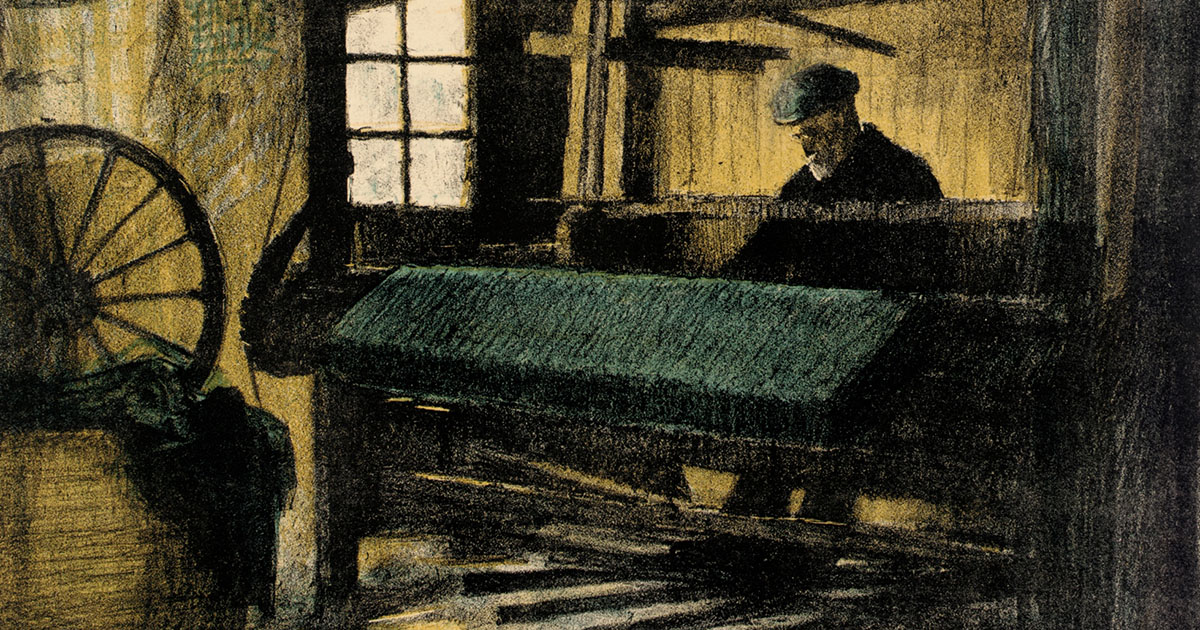
Seeing Silas through the lens of Jesus and the false accusations He bore up under is a fruitful endeavor.
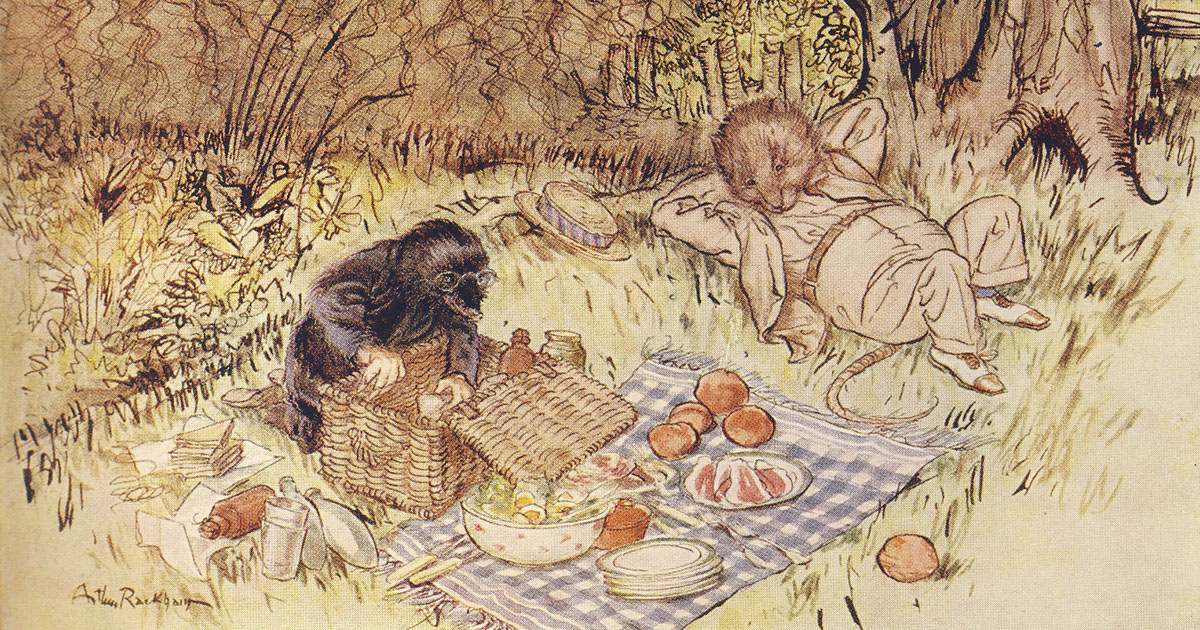
When we learn to pay close attention to created gifts, how much more joy will we find in attending to the gifts of Word and Sacrament, and to the Giver Himself.