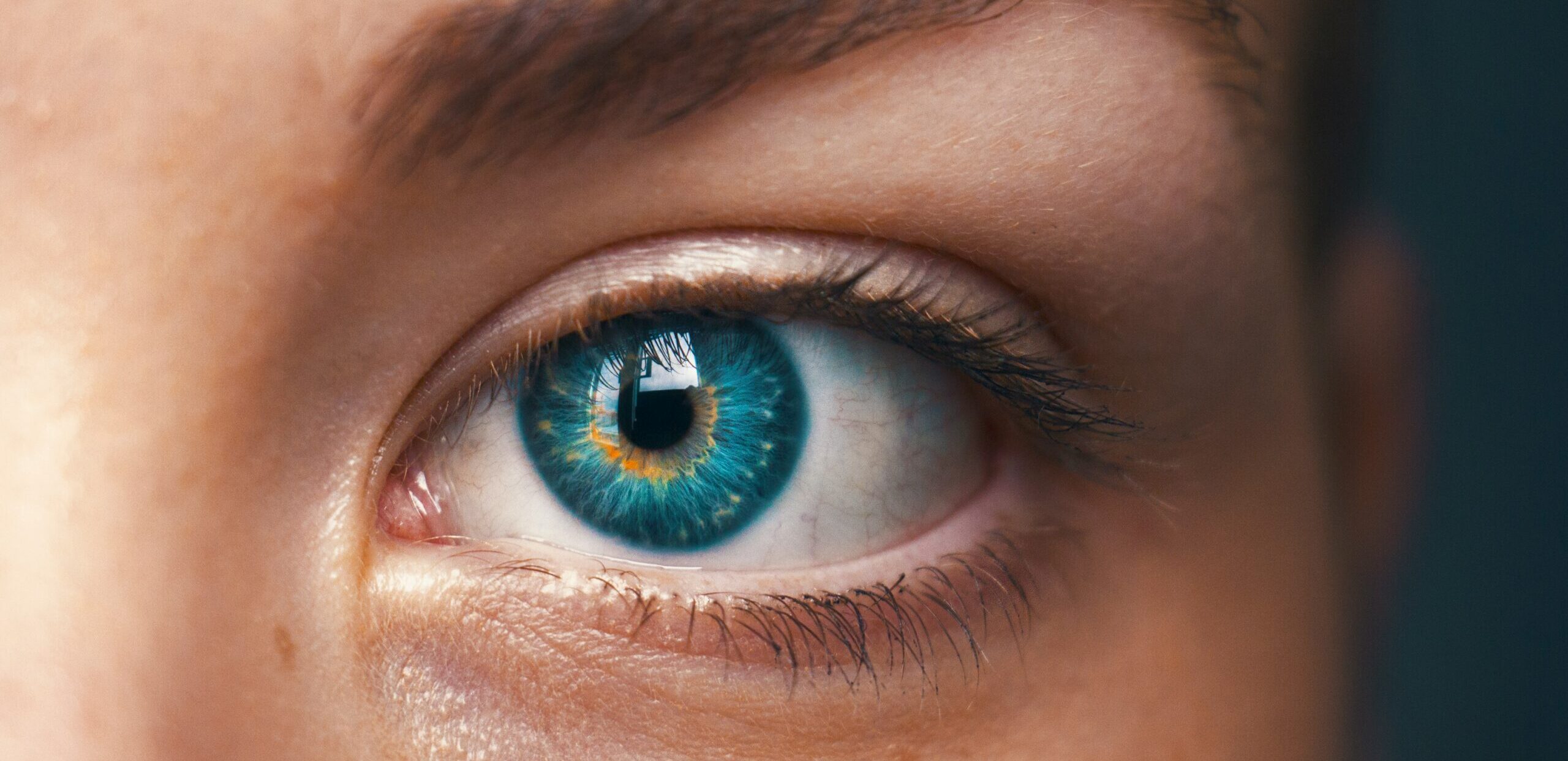
Our Eyes in the Age of the Algorithm
Algorithms feed us what they think we want to consume. What are we inadvertently telling them that we are hungry for?



Algorithms feed us what they think we want to consume. What are we inadvertently telling them that we are hungry for?
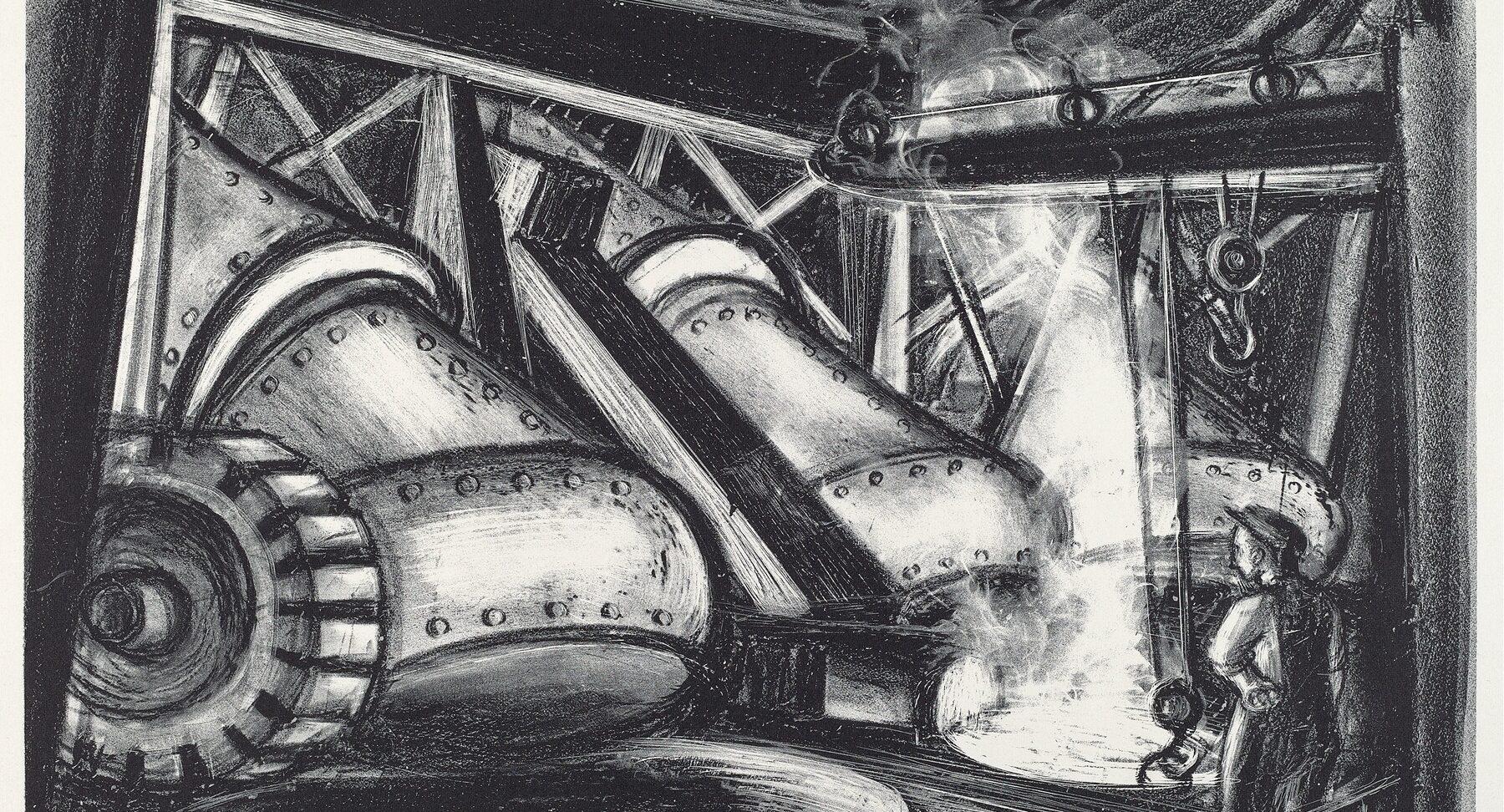
The machine age is already changing us — our relationships, our religion, our reality, and even our bodies.

In 1891, Pope Leo XIII issued an encyclical on the industrial revolution. In 2026, his namesake, Pope Leo XIV, issued an encyclical on the AI revolution. Unfortunately, AI is more of a revolution than the American-born pontiff seems to realize. The title of papal encyclicals comes from their first words: Magnifica humanitas is Latin for
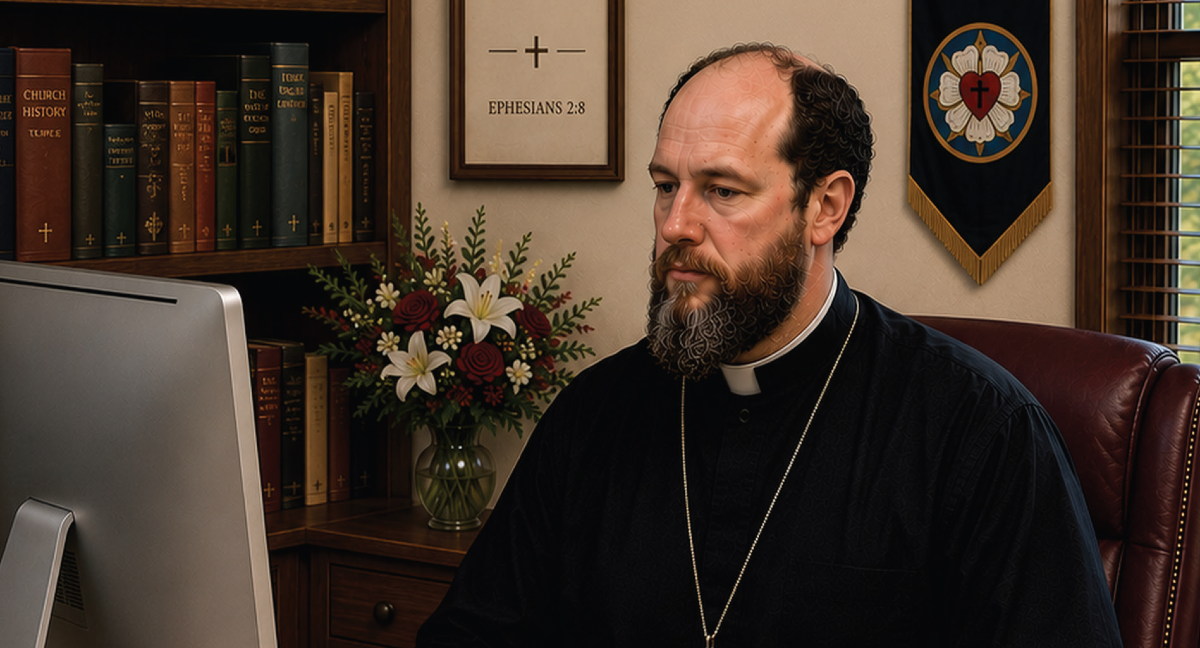
As Lutherans, we believe “that God has made me and all creatures; that He has given me my body and soul, eyes, ears, and all my members, my reason and all my senses, and still takes care of them” (SC II 1). We confess, moreover, that mankind was created “in the image of God” (Gen. 1:27). Gazing at the empty eyes of the AI “creation,” it was hard to see how this “art” (if such it was) could possibly communicate these glorious and eternal truths.
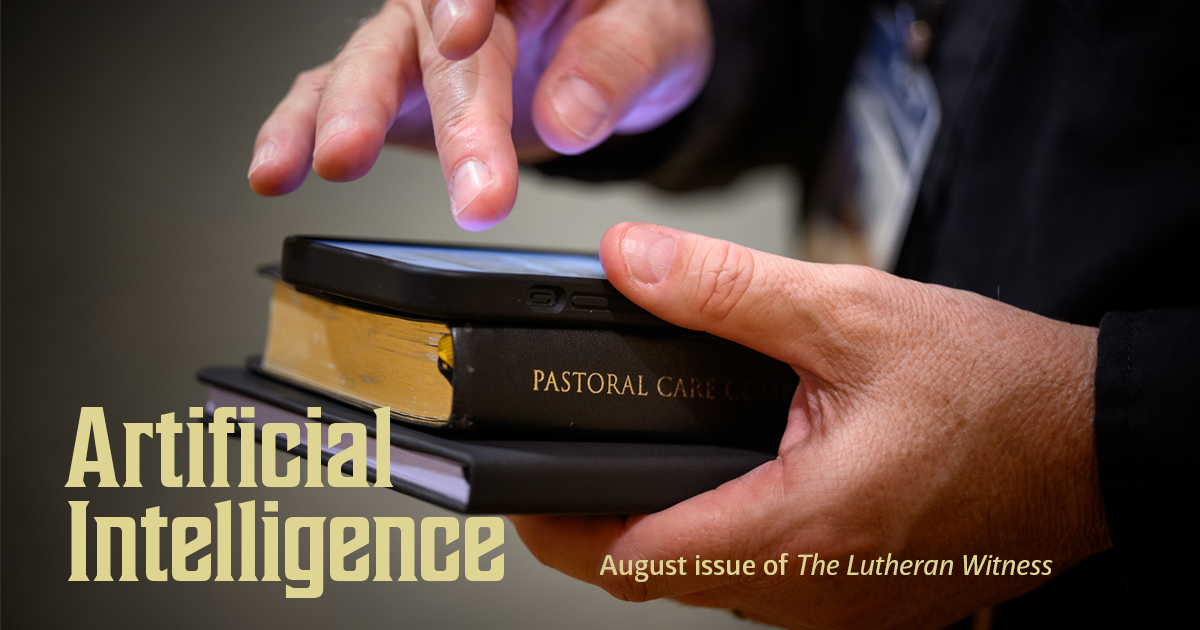
The August issue deals with life in the digital age and the rise of artificial intelligence.
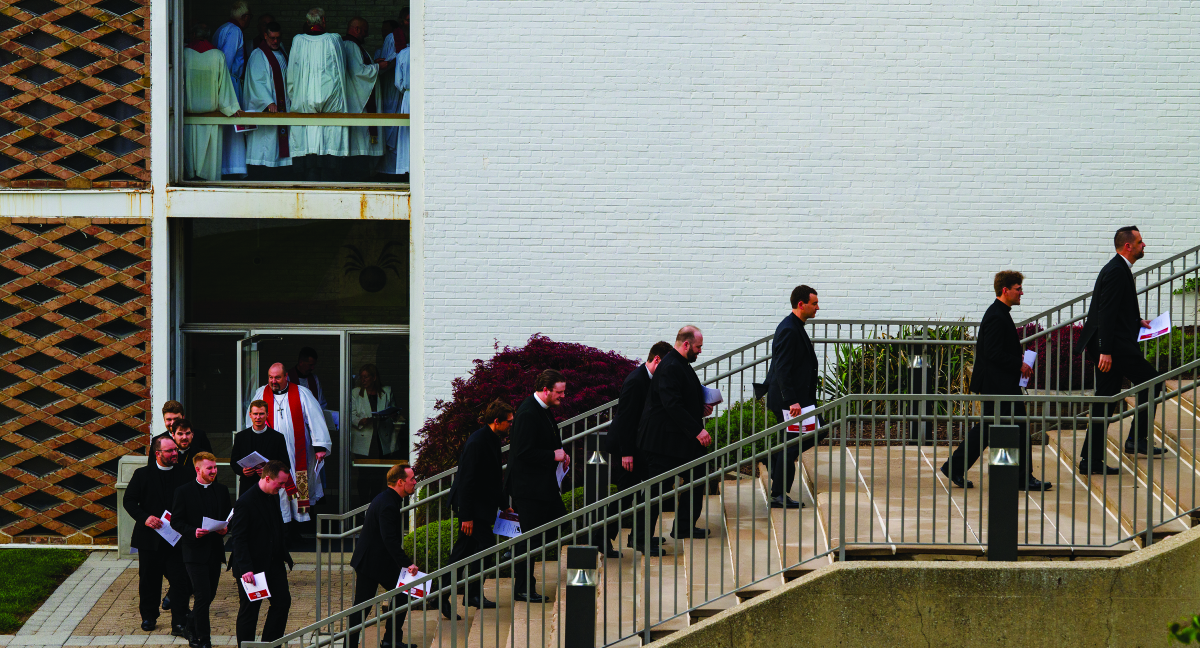
There’s an old Latin saying: Non multa sed multum (“not many things, but much”). It’s not so important that a pastor has read a thousand books, but that he’s deeply familiar with the greatest and best.
A deeper response to AI requires us to reflect on what it means to be human and on how the reality of the body and incarnational theology affect the way we do ministry.
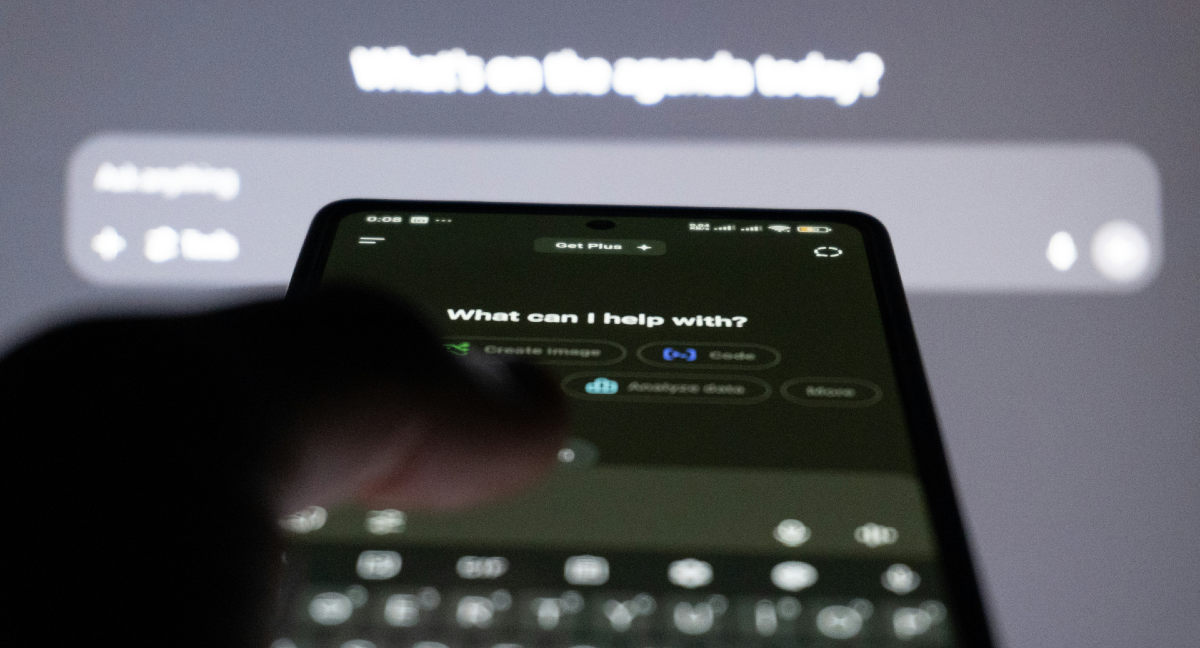
The rise and widespread presence of companion chatbots reveals something important about our current moment: Many individuals long to belong, to be heard, and to experience friendship and companionship. Yet they are struggling to find these things.
What lies next on the digital horizon? What principles should guide our thinking as each new technological frontier is opened?