
On “Hamlet”: What It Means “To Be”
Shakespeare’s “Hamlet” invites audiences to contemplate what it means to truly “be.”



Shakespeare’s “Hamlet” invites audiences to contemplate what it means to truly “be.”

It is important that you know, and never forget the fact, that you are a distinct creation of God’s hand.

A reflection on vocational well-being for church workers.

A review of the film Wake Up Dead Man (2025).

A literary reflection on Herman Melville’s “Moby Dick.”

Viewing stewardship through the lens of the Gospel gives its full picture as both the source and purpose of stewardship.
With all the “newness” of January, we remember that ours begins in the newness of the Gospel in Jesus.

Homesteading is not the secret to happiness. It’s merely the backdrop against which Ma and Pa joyfully live out their vocations.
Despite the first steward’s failings, all stewards are restored by God’s mercy and grace to their one task of stewardship: stewarding the Gospel!
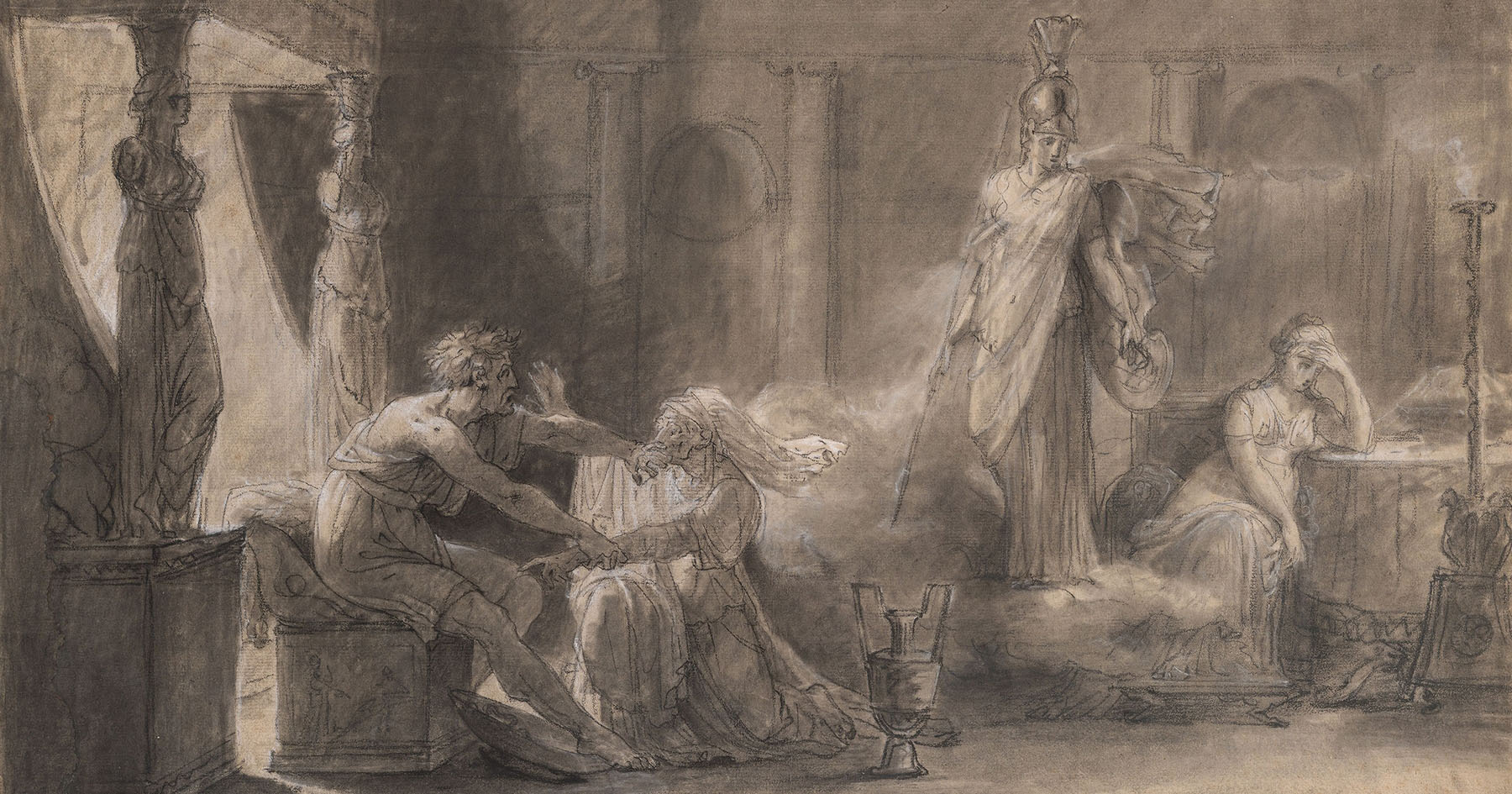
A literary reflection by Davis Smith on Homer’s Odyssey. This is one installment of a monthly series providing reflections on works of literature from a Lutheran perspective. No finer, greater gift in the world than that … when man and woman possess their home, two minds, two hearts that work as one. –Odyssey, 6.200–202 The
Falling into the ditches of anxiety and apathy are dangerous, but Jesus is the factor that keeps stewards on the narrow way.

Catherine and Heathcliff’s pseudo-love is an obsession absolutely turned inward, a snake eating itself which, in its appetite, finds destruction.