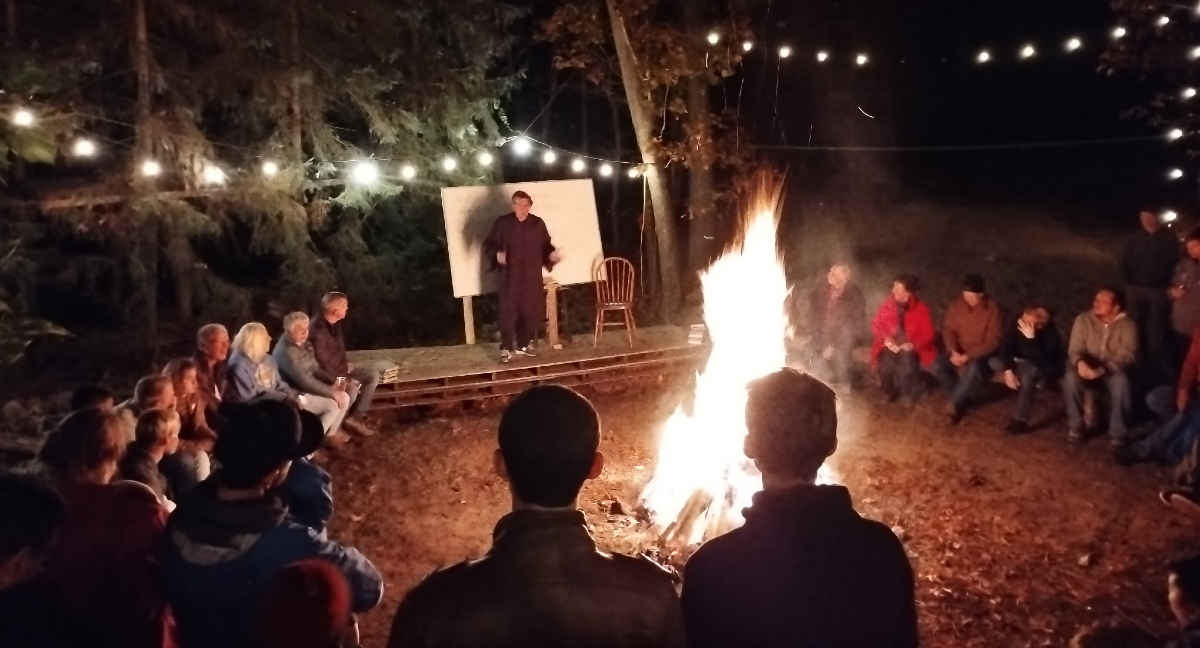
How I Rediscovered Oct. 31 as Reformation Day
What could be better than celebrating Reformation Day in a joyful, educational and unmistakably Lutheran way?



What could be better than celebrating Reformation Day in a joyful, educational and unmistakably Lutheran way?

Algorithms feed us what they think we want to consume. What are we inadvertently telling them that we are hungry for?
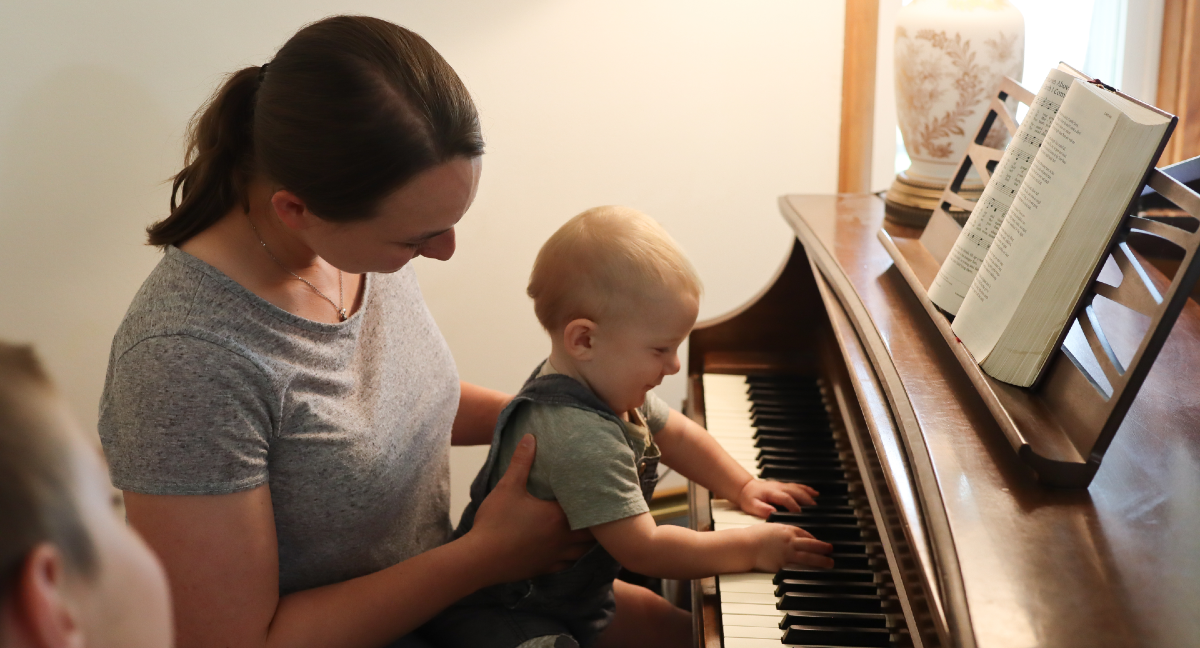
Music does so much more than merely entertain and give us pleasure. It also helps us learn and remember.
Memorizing God’s Word is a good thing. But what shall we say of the Alzheimer’s patient, the infant or the intellectually disabled?
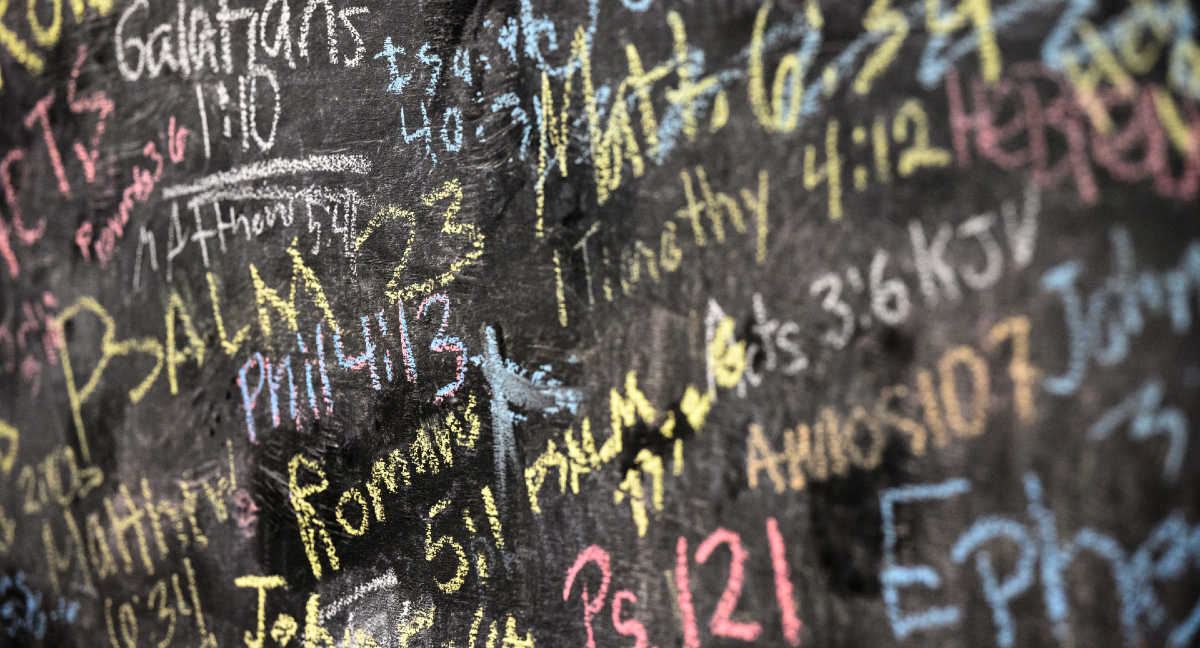
With the internet at our fingertips, we easily come to rely on it for everything. But what is lost when we outsource our memory?

The machine age is already changing us — our relationships, our religion, our reality, and even our bodies.
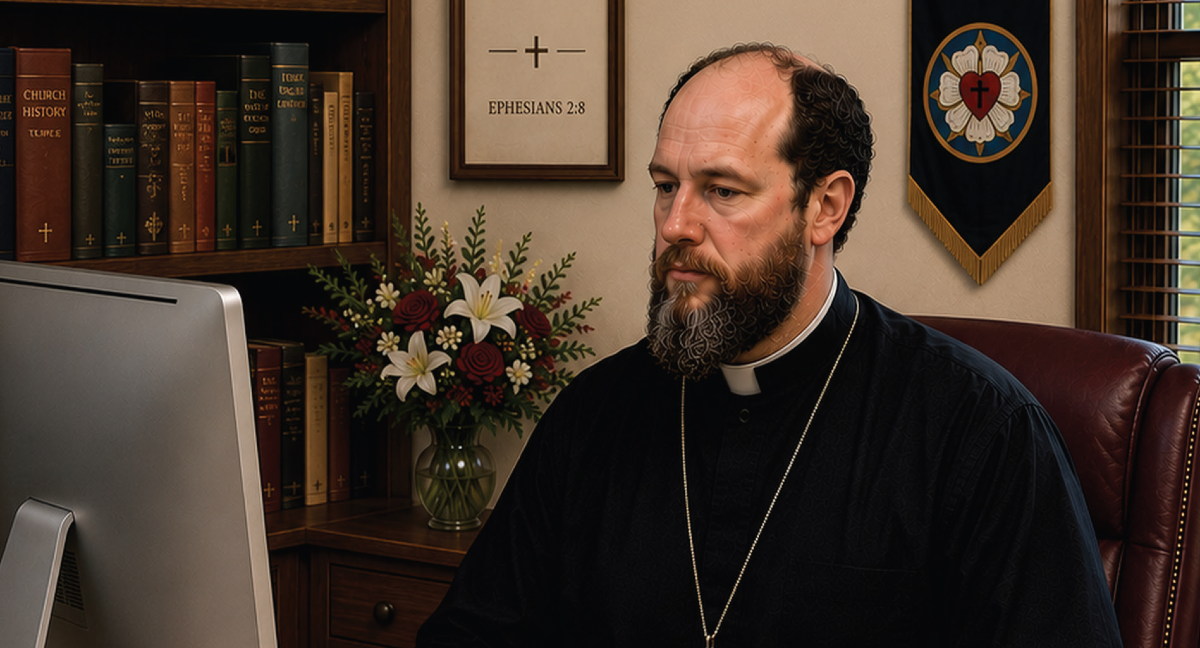
As Lutherans, we believe “that God has made me and all creatures; that He has given me my body and soul, eyes, ears, and all my members, my reason and all my senses, and still takes care of them” (SC II 1). We confess, moreover, that mankind was created “in the image of God” (Gen. 1:27). Gazing at the empty eyes of the AI “creation,” it was hard to see how this “art” (if such it was) could possibly communicate these glorious and eternal truths.

The Gospel of Jesus Christ is not a Western export, nor an African possession, nor an American commodity. It is a divine proclamation that transcends cultural barriers because it addresses the universal human condition and its cure — sin and grace, death and resurrection.
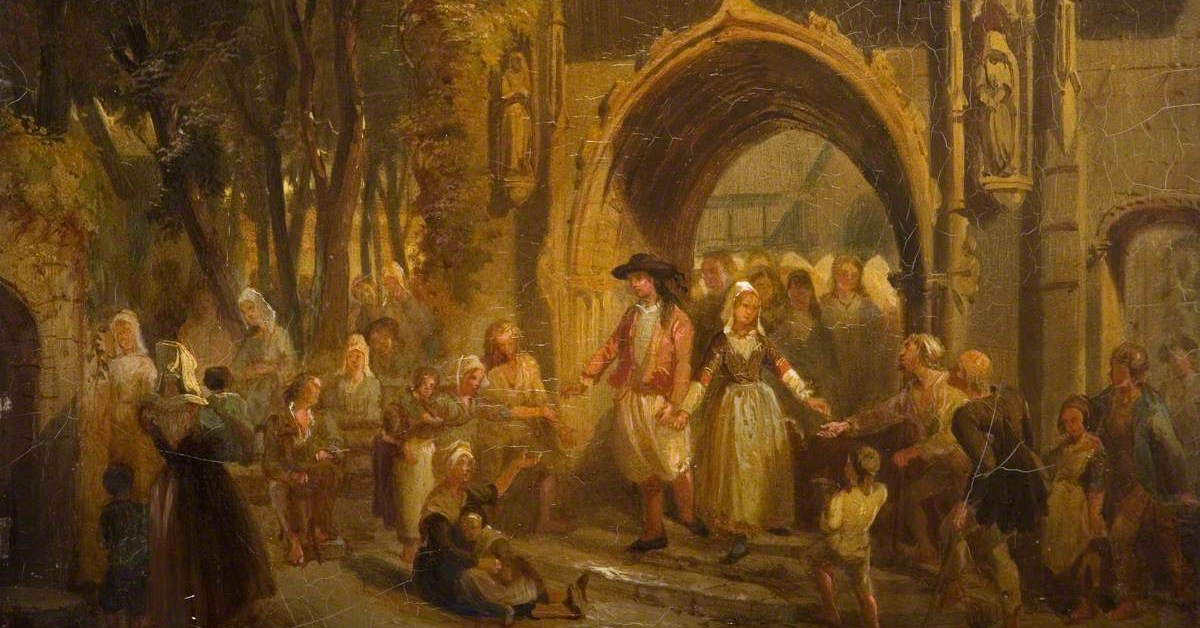
As Lutherans, we need to resist making moral compromises ourselves and actively encourage our young people not to make them, either. When the church gets laryngitis on moral issues such as cohabitation, it loses its voice on all other issues as well.

Writers and editors of The Lutheran Witness share the books they’re excited about this summer.
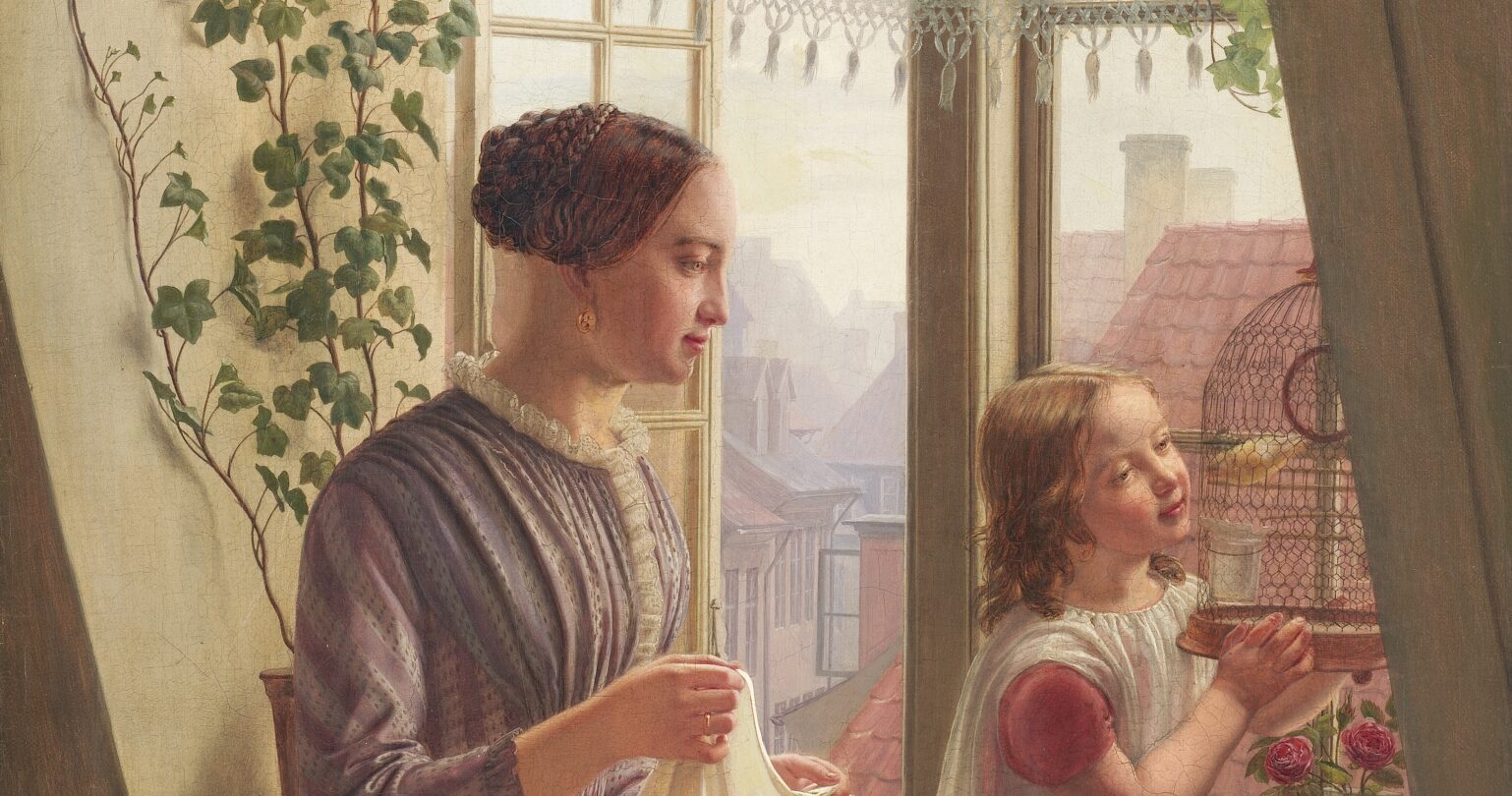
The true beauty of “Peter Pan” is a mother’s love.
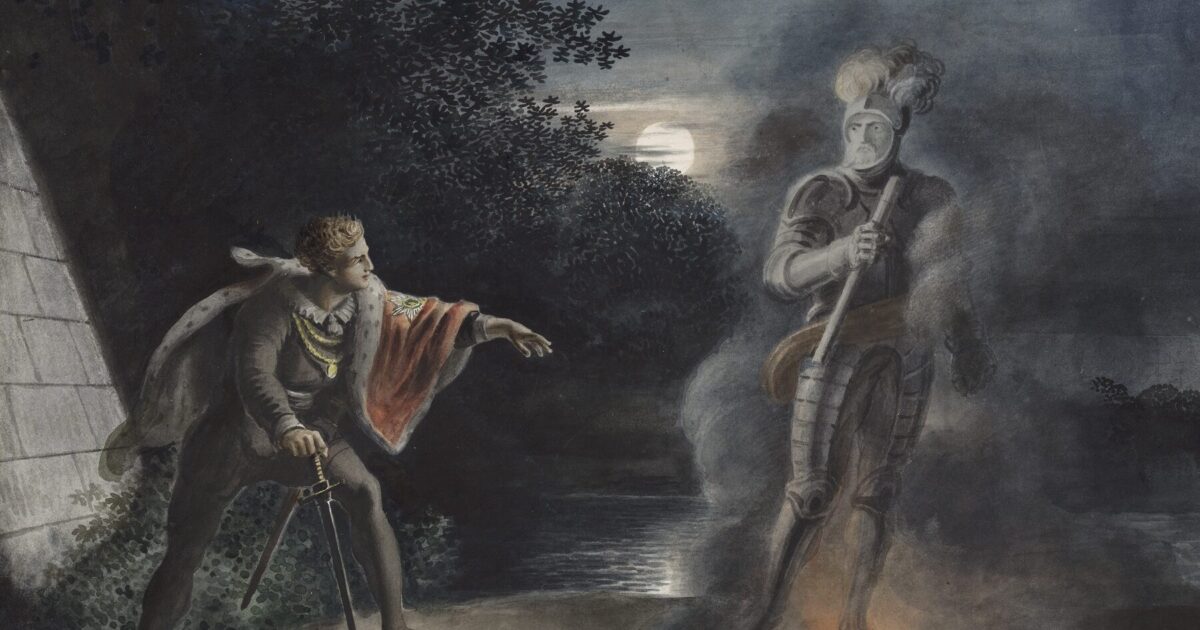
Shakespeare’s “Hamlet” invites audiences to contemplate what it means to truly “be.”