
This is the latest installment of “Life in the Church Year,” a series by Dr. Kristen Einertson and Tessa Muench of All the Household. This series will provide guidance for living out the seasons of the Church Year at home with your families. Find month-by-month lists of Lutheran feasts, festivals and commemorations here.
Just as the calendar year draws to a close, life in the church begins anew. December, wholly dedicated to Christmas and its Advent season of preparation, marks the start of the church’s yearly cycle and the “festival half” of the year.
If you have been following along with this Life in the Church Year series, we have followed this rhythm together: celebrating Christ’s Epiphany in January; His Presentation in the Temple in February; and His Passion, Resurrection and Ascension in March, April and May.
The second Trinitytide half of the Church Year then turned our focus to the work of the Triune God in all time — seen in the lives of the saints (St. John the Baptist, St. Johann Sebastian Bach and St. Mary, celebrated in June, July and August), the reality of the angels (St. Michael in September), the eternal perseverance of the Gospel (Reformation in October), and the anticipation of Christ’s second coming (All Saints’ and the Last Sunday of the Church Year in November).
Now we return to December and Christmastide, when during the darkest days, we rejoice in the promise of the one true Light who has come into the world. This great wonder is pondered each year across the 12 days of Christmas, from Dec. 25 through Epiphany on Jan. 6.
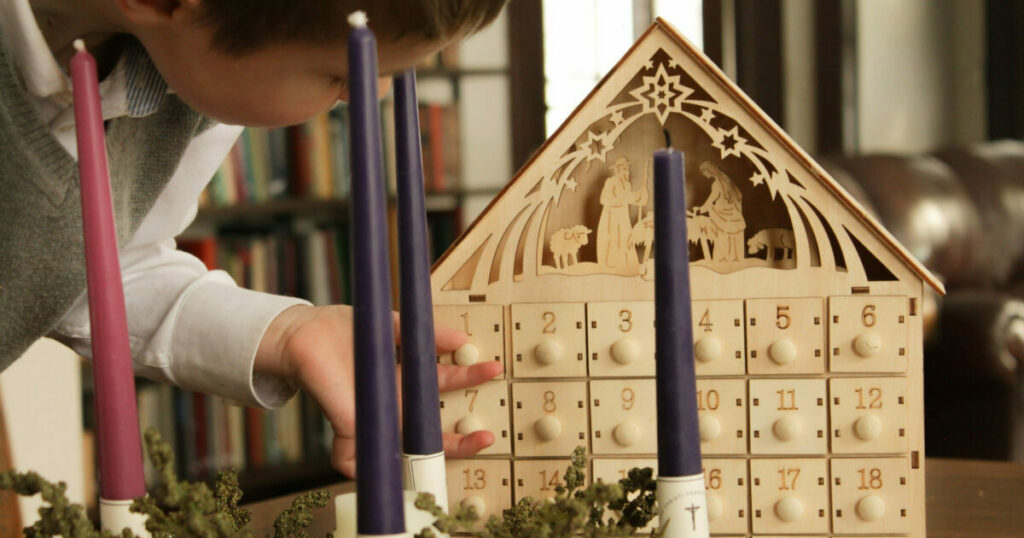
Before this great feast arrives, however, there is a great season of preparation. Advent is not just for baking, caroling or gift-giving, but also for holding back the fullness of Christmas joy until the Nativity itself. The church provides beautiful ways to mark the waiting, including the tradition of the Advent wreath. Invented by a German Lutheran pastor, the wreath’s four candles — three violet and one rose — count the Sundays of the season. The rose candle, lit on Gaudete (“Rejoice”) Sunday, reminds us of the increasing gaiety that bubbles up in us as Christ’s birth draws near.
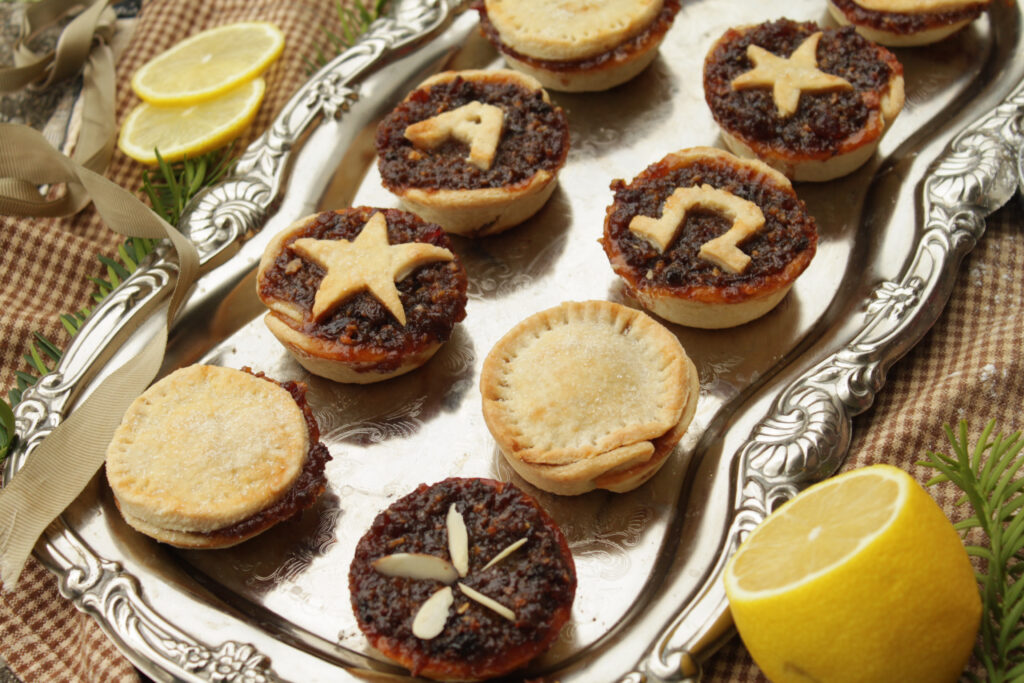
Another long-standing custom of Christmastide is the baking of mincemeat pies, a tradition reaching back to the 11th century. Originally shared to celebrate Christ’s birth, these small spiced pies have both old and new features that connect them to the Christmas story. Cinnamon, cloves and nutmeg have long been used in the recipe to recall the gifts of the Magi, while the newer addition of a pastry star on top points to Bethlehem’s guiding star. Their sweet, jammy flavor adds festivity to our holiday tables, reminding us of the true joy given to us in the most precious gift of a Babe once born for our salvation, and giving us a foretaste of the eternal feast to come.
Mincemeat Pies
Ingredients:
Filling
1 ¼ cups raisins
½ cup dried cranberries
½ cup dried cherries
2 cups chopped apple (about 2 apples)
2 cups brown sugar
2 Tbsp. orange zest
2 Tbsp. lemon zest
1 ½ Tbsp. walnuts or almonds
Juice of 1 lemon
2 Tbsp. apple cider vinegar
¼ cup unsalted butter, room temp
1 ½ tsp. cinnamon
½ tsp. nutmeg
¼ tsp. each cloves, allspice, ginger, coriander
¼ tsp. salt
4 Tbsp. rum or brandy (optional)

Pie Crust
1 ½ cups all-purpose flour
1 Tbsp. granulated sugar
½ tsp. salt
6 Tbsp. cold butter
2 Tbsp. shortening
3 Tbsp. ice water
1 egg (for egg wash)
2 Tbsp. powdered sugar
Instructions:
- In a food processor, chop filling ingredients until evenly textured. Simmer over medium heat 15 minutes, or 25–30 if using alcohol, until thickened. Chill.
- For crust: Pulse flour, sugar and salt in processor. Add butter and shortening, then drizzle in water until dough forms.
- Heat oven to 375°F. Roll out ⅔ of dough to ⅛-inch thick and cut circles for mini muffin tins. Roll remaining dough for tops (stars, lattices or circles).
- Grease tins, press in crusts, fill with mincemeat, and top with dough shapes. Brush with egg wash.
- Bake 10–15 minutes, until golden. Cool on a wire rack and dust with powdered sugar.
Cover image: Tessa Muench