
This is the latest installment of “Life in the Church Year,” a series by Dr. Kristen Einertson and Tessa Muench of All the Household. This series will provide guidance for living out the seasons of the Church Year at home with your families. Find month-by-month lists of Lutheran feasts, festivals and commemorations here.
One of the most blessed things about the Church Year is that it both encourages Christians to live in concert with Christ and His church and molds itself to the everyday lives of Christians. The Church Year is not only a way to remember the saints of old and the central figures of Christianity like St. Moses, St. John the Baptist or St. Augustine. It also teaches us to remember the people closest to us: our parents, children, neighbors and fellow Christians.
Indeed, one of the greatest blessings of the Church Year is that it helps us remember personal commemorations, opportunities to reflect upon the work Christ has done in our own lives. Within the annual liturgical cycle, we are encouraged to remember baptismal birthdays and name days, giving thanks for the saving work of the Triune God among us here and now.
The Significance of Personal Commemorations
The Christian faith is not just something that happened to ancient Israel, the medieval church or early American settlers. It is something happening to us now. Personal commemorations connect our individual faith stories to the story of the whole church.
After the major feasts of Christ’s birth, death and resurrection, these days of the Church Year can be seen as a sort of second tier of salvation history. In these days of personal commemoration, God’s story connects to our story. Both the central stories of salvation history and our own personal stories of salvation come together; after all, Jesus’ life, death and resurrection are intricately tied to the people He came to save. Likewise, we cannot live apart from Him. Our lives are bound together with His.
Bede the Venerable puts this best in his Ecclesiastical History, where he reminds us that God governs all time. The Lord who acted in the year 0, the year 100 and the year 1000 is just as active now. Though we do not see Christ walking beside us in the flesh, we trust His promise: “Blessed are those who have not seen and yet have believed” (John 20:29). The question then becomes: How do we keep our eyes on His presence amongst us today? Personal commemorations offer one faithful answer.
Baptismal Birthdays
Christ promises to be found in His Word and Sacraments. In Holy Baptism, God washes us with water and the Word, forgives our sins, and makes us His children. Though we are baptized only once, Martin Luther encourages us to remember our Baptism daily. We are to rise each morning trusting that the old sinner has drowned and that a new creation in Christ has arisen from the waters.
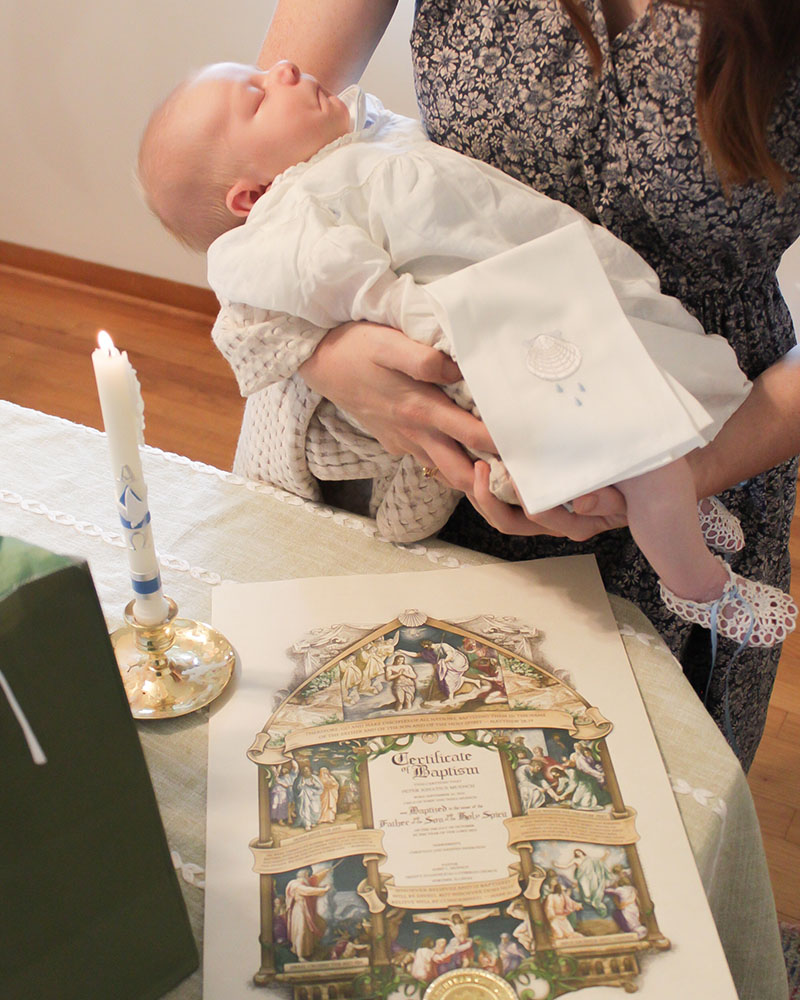
An annual baptismal birthday gives us an opportunity to mark that reality in a special way. Making a small celebration of it, including serving a special dessert, can help set the day apart. Families might pull out the Christian’s baptismal gown or cloth, light the baptismal candle, and gather with sponsors or godparents who, on behalf of the church at large, helped bring the child to the font. Reading the baptismal rite together (p. 268 in Lutheran Service Book) or meditating upon the promises God has given us in Scripture can encourage us in our lives as baptized Christians. Regularly remembering this wonderful gift that God has bestowed upon His people can edify you in your faith and help you pray for and encourage your family members, friends and godchildren in their walks with God.
Name Days
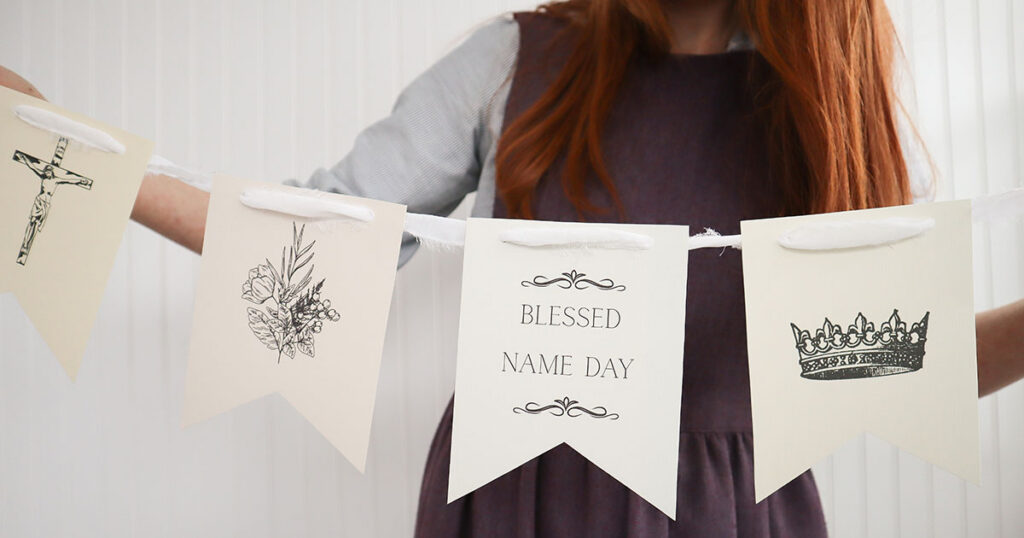
Name days are another beautiful custom. While this custom might be foreign to many American Christians, it has a long history in the church. Many of our brothers and sisters around the globe continue to mark the feast day of the saint whose name they share. For example, a Christian named Mary (or variations such as Maria, Mari or Miriam) has her name day on Aug. 15, the feast day of St. Mary, every year. And a Mark (or Marcel, Marlon or Markus) would celebrate his on April 25, the feast of St. Mark. These days teach us not only to model ourselves after Christians who have lived out the faith but also to remember the people whom God has loved throughout time. By remembering our departed namesakes, we are reminded that we belong to a vast communion of believers across time and place.
Of course, not every Christian is named after a saint with a dedicated commemoration date. Not to worry! Every Christian can still have a name day. One solution is for Christians to consider whether their name is a derivative of a saint’s name. Another option comes on Nov. 1, the Feast of All Saints, a day for all believers, including those not named after a historical saint. Others may want to choose a date on the Christian calendar that marks a saint whom they deeply admire. Someone who admires the life of St. Lucia, for example, may make her name day Dec. 13, even if Lucia is not her given name.
Name days (like baptismal birthdays) can be simple. Bring out a commemorative cake or sweet treat to set the day apart and consider singing a hymn related to the saint or reading a scriptural passage that marks the shared Christian identity that we saints find in Christ. You may also choose to read about the saint and his or her life or learn about the literal meaning of the name being celebrated.
Beyond baptismal birthdays and name days, there are many more personal commemorations that you can remember: confirmation anniversaries, wedding anniversaries, ordination anniversaries or the anniversaries of loved ones entering eternal rest. We can remember these as times when God’s promises were made visible in our personal lives. Thanks be to God that the Church Year is wide enough to gather us all in and that Christ’s work in His people hasn’t ended with the saints of old but continues in us, the saints of today.
For month-by-month lists of Lutheran feasts, festivals and commemorations, visit lcms.org/worship/church-year.
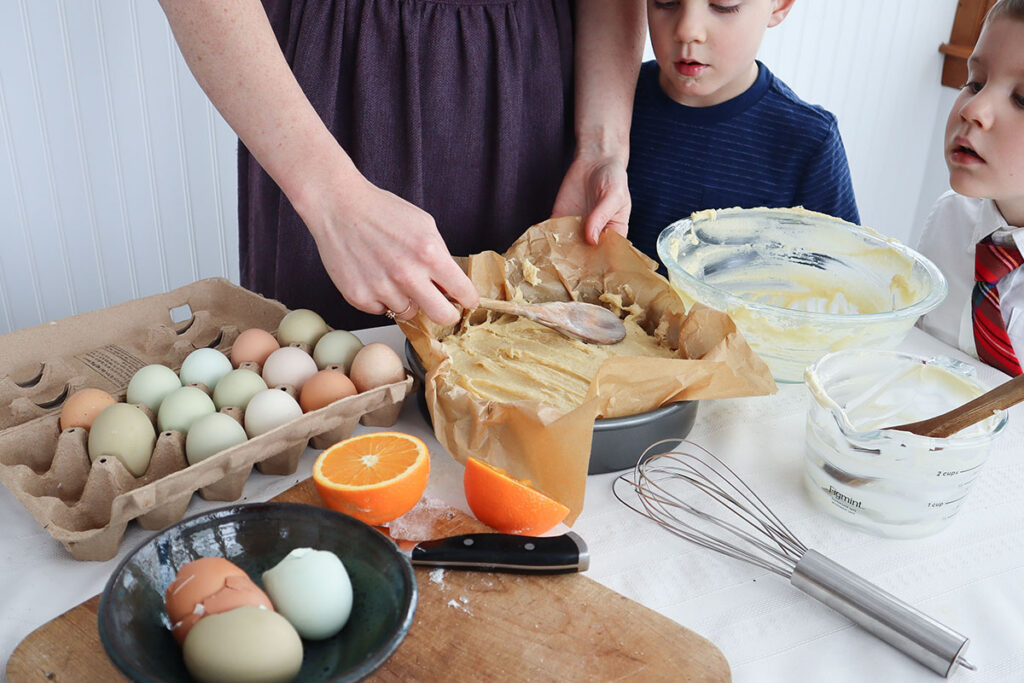
Commemoration Cake
Ingredients:
- 3 cups flour
- 2 tsp. baking powder
- 1 ½ tsp. salt
- 1 ¾ cup sugar
- 1 cup butter, softened
- ¾ tsp. orange extract
- ¾ tsp. almond extract
- ½ cup milk
- 3 eggs and 1 egg yolk
Instructions:
- Sift the flour, baking powder and salt together into a medium bowl.
- In the bowl of a stand mixer, beat the butter, sugar and extracts together. Add in the eggs one at a time, mixing until just incorporated. Add the dry ingredients slowly and scrape the bowl and beaters often. Add the milk and mix until the mixture is slightly wet, beating for approximately 1 minute.
- Pour the batter into a lightly greased and floured pan. Bake for 50 minutes or until set, and cool in the pan for about 15 minutes before turning onto a cake rack to cool fully before frosting.
Cover image: Tessa Muench