
On ‘Babette’s Feast’: Infinite Grace from the Heart of the Artist
In ‘Babette’s Feast,’ a single meal becomes a metaphor for the entire Christian life.



In ‘Babette’s Feast,’ a single meal becomes a metaphor for the entire Christian life.
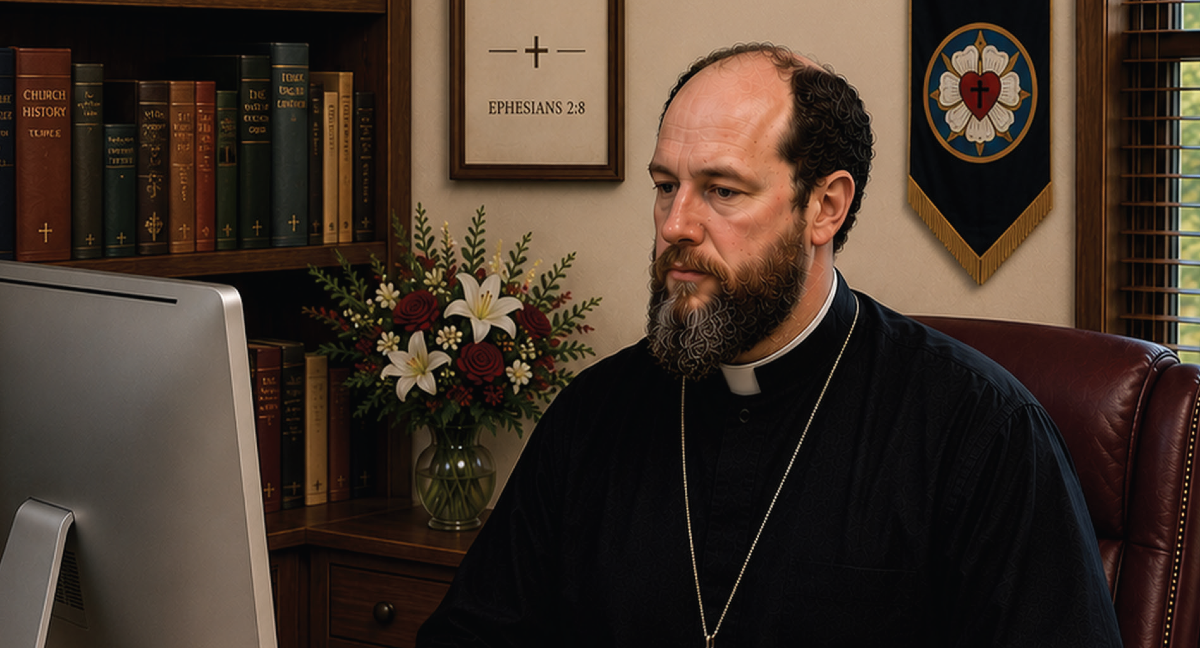
As Lutherans, we believe “that God has made me and all creatures; that He has given me my body and soul, eyes, ears, and all my members, my reason and all my senses, and still takes care of them” (SC II 1). We confess, moreover, that mankind was created “in the image of God” (Gen. 1:27). Gazing at the empty eyes of the AI “creation,” it was hard to see how this “art” (if such it was) could possibly communicate these glorious and eternal truths.
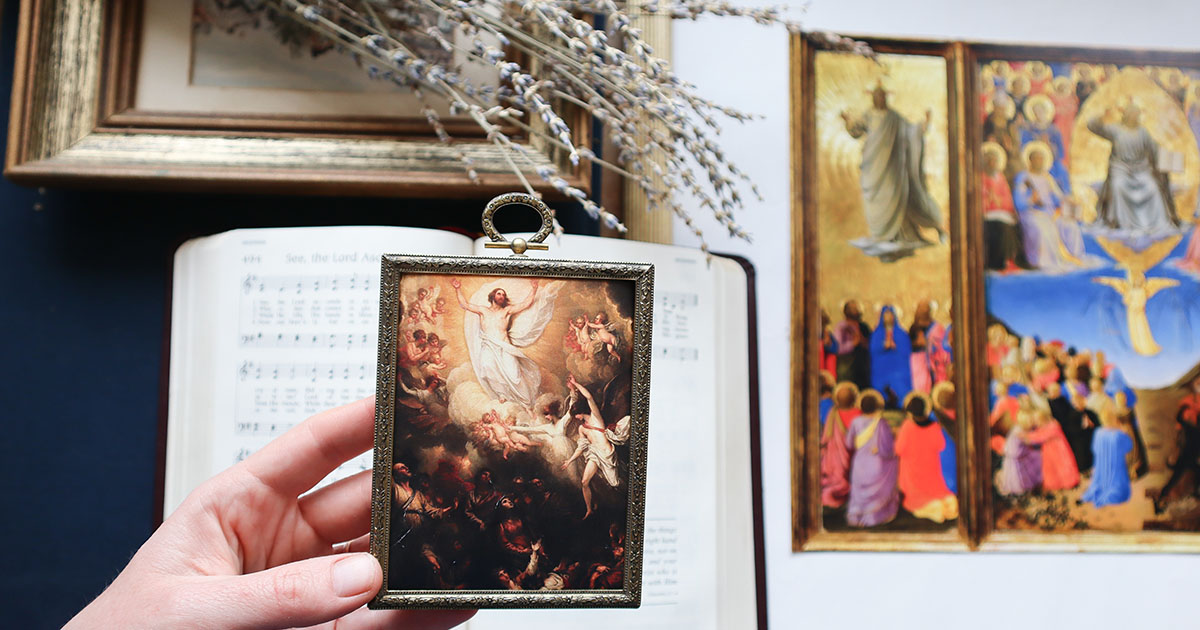
The church has given us manifold images that place beauty before us and encourage us in our faith.

One of the ways to help us and our children read Scripture faithfully is through faithful, realistic art and illustration.

Marriage is an image, a shadow of the ultimate marriage of Christ and the church.

Through Cranach’s portraits of Johann Friedrich I over his life, we see the life of Christian suffering depicted.

Maurice Denis’ mysterious Easter scene conveys the prophecies fulfilled, and the life won for us, in the Resurrection.

Family traditions show our children that our seemingly mundane and fleeting lives can be a reflection of the eternal life we are meant for.

Tissot gave the viewer unvarnished slices of biblical life, based on his own experiences in those places where our Lord actually walked.

Adam and Eve’s sin brought death, while the seed of woman brought life.

In any act of Christian charity, we see Christ.

While Luther proclaimed the doctrine of justification in words, Lukas Cranach brought out this theology visually through his art.